


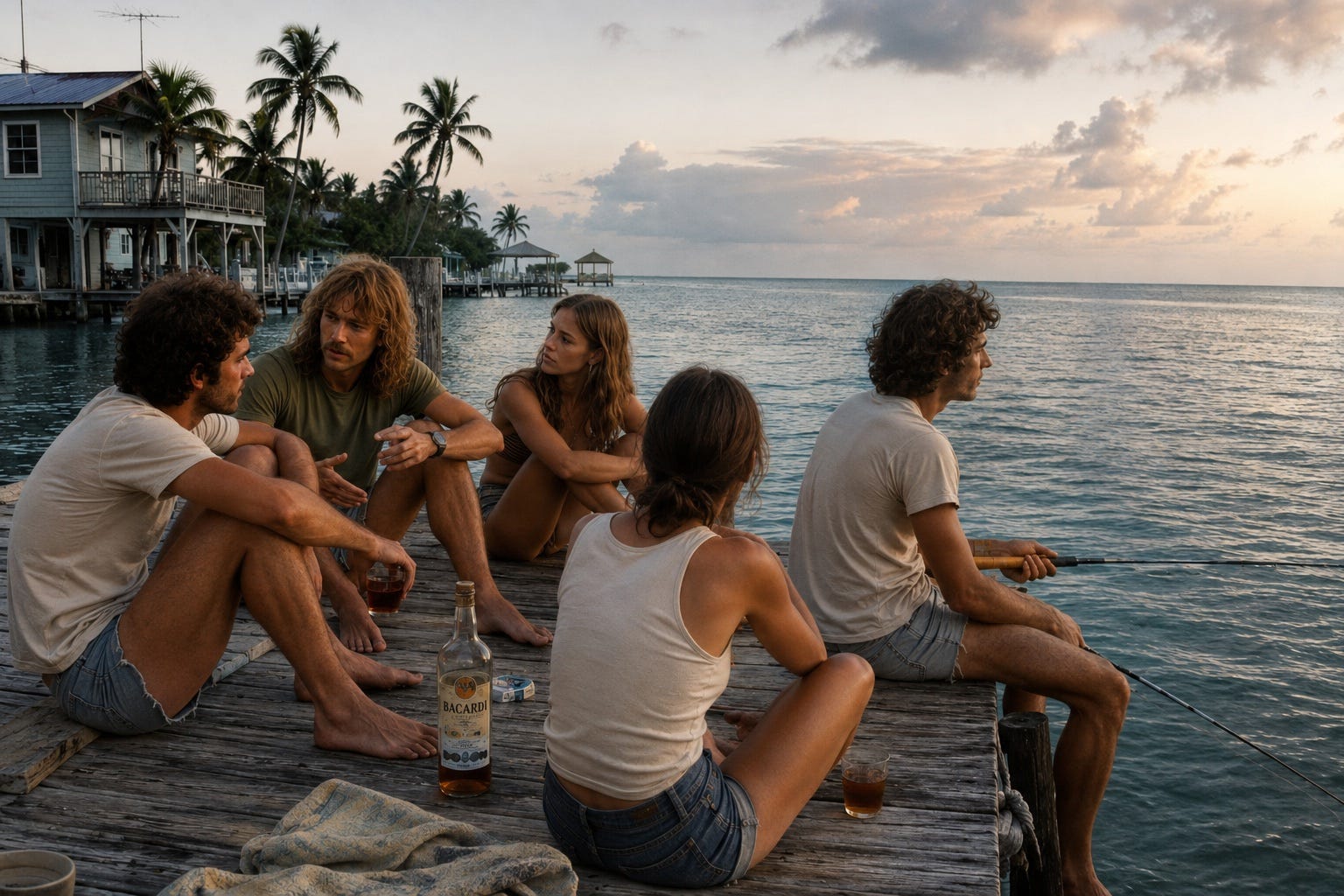
For my first gig out of college, I went down to the Florida Keys to help to launch a weekly newspaper out of Marathon. That job flamed out rather spectacularly several weeks later, at which point my colleagues and I would spend our evenings sitting out on the pier drinking rum and wondering about our next moves.
As we gazed south into the distance, we could almost see Cuba beckoning us from 100 miles away across the Florida Straits. Of course, the horizon line at sea level is only about three miles, but as I said, there was rum involved and a lot of youthful imagination.
One of my newly unemployed friends and I got an idea: We would pitch New Times, a great, though sadly short-lived magazine of that era, the definitive story about Cuba. We would go there, meet people from all walks of life and report on our tiny neighbor’s long path toward U.S. acceptance, which we believed was imminent.
We knew getting a big, paid assignment from a prominent magazine was beyond our reach, so we offered to do it on spec. Maybe if we showed the editors we were willing to take a chance on ourselves, they would facilitate our dream.
Cuba seemed to be in the air at that time — in South Florida anyway. I had moved to Miami in 1965, right about the time Cuban refugees started pouring into the city daily on U.S-sponsored Freedom Flights, reuniting with family and others who’d come earlier. Now, 10 years later, Miami’s population — not to mention its language and culture — had become more than half Hispanic. And by Hispanic I mean Cuban.
The Ford administration was starting to explore normalizing relations with our Cold War nemesis for the first time in well over 100 years. Relations had really nosedived after Fidel Castro’s 1959 takeover and had bottomed out during the missile crisis in ’62, when we discovered the Russians were secretly establishing nuclear bases all across the tiny island-nation.
But this was a new day. I carefully composed the New Times query with my talented friend and erstwhile colleague Bob Morris (whose great Substack you should absolutely be reading, but not until you finish this one), and we repaired to the mainland to await the magazine’s response.
To my utter shock, I got a call from a New Times editor weeks later. He had tried writing first, but seeing as how I was homeless and crashing at friends’ places, his letter bounced back. Nevertheless, he was interested in the story, and he had already applied for visas on our behalf from the U.S. and Cuban governments.
Bob and I were ecstatic and began doing research. I had taken four years of high school Spanish and went to the Berlitz office in Miami, asking if they could help me become fluent within a week. After engaging me in a brief Spanish conversation, their sales rep assured me I’d be good to go in four days, once I paid a hefty fee and immersed myself in the program.
The U.S. granted our visa fairly quickly. I planned to cough up that Berlitz fee as soon as we heard from the Czechoslovakian embassy, our go-between to Cuba, with whom U.S. citizens were not allowed to communicate directly.
I must have called that embassy half a dozen times over the next couple of months, pestering them for a response they were unable to give me.
I got my New Times editor to follow up. He had no luck either.
I’m not sure if the Cuban government ever seriously considered our request or just tossed it into the basura as soon as they got it, but we never got a response from them one way or the other. My great, career-defining assignment never got off the ground.
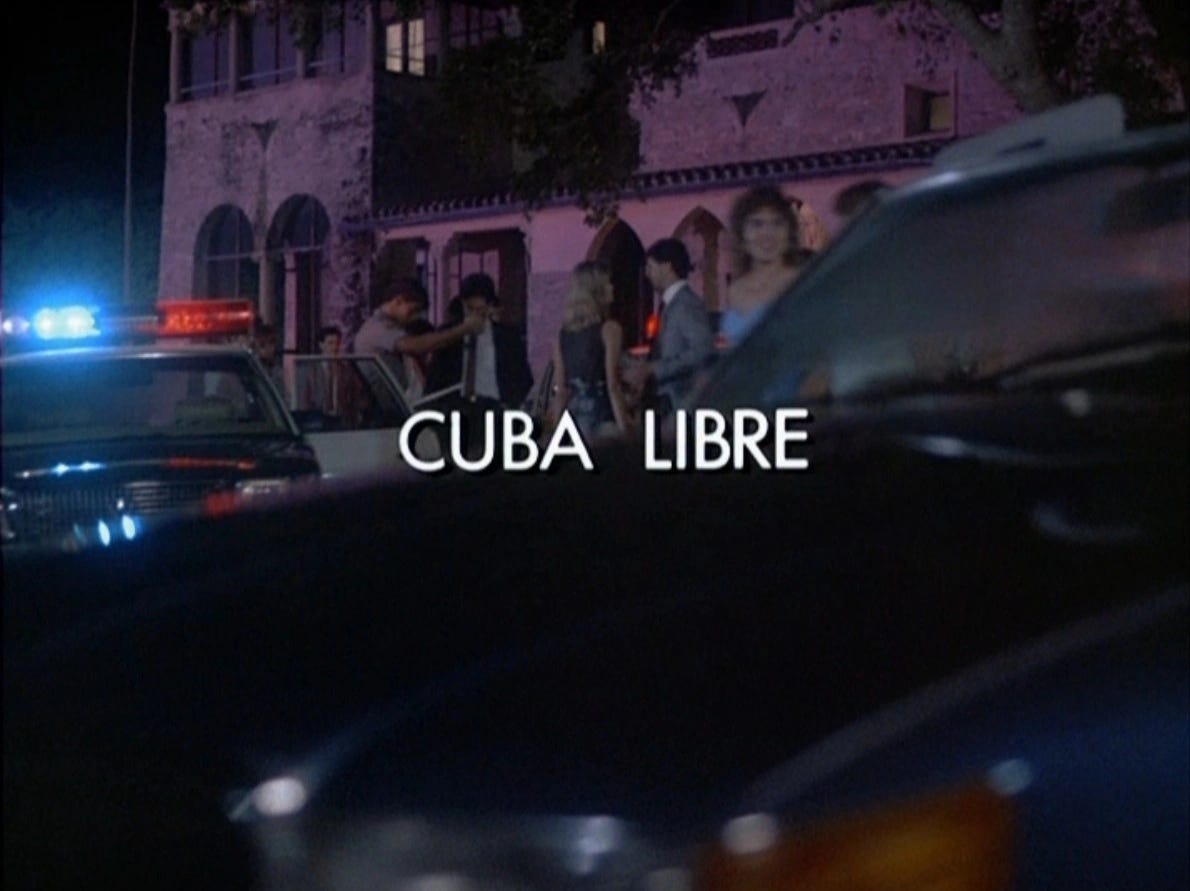
I finally got to write about the Cuban struggle many years later when, working with a different partner, I sold one of my first-ever TV episodes to Miami Vice, and it ran with the same title I used for this column. It was about a group of extremists who train in the Everglades to attack a Castro emissary when he visits the U.S.
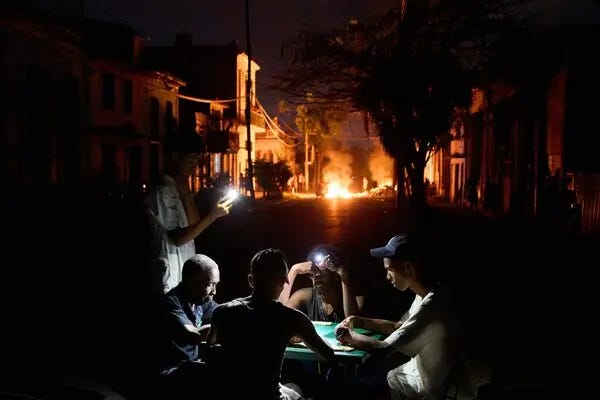
The reason I’m thinking about all this is the brutal living conditions Cubans are enduring now, brought on by the country’s political choices and exacerbated by a U.S. trade embargo that has almost totally eliminated its energy supply and devastated its economy.
A New York Times series that ran this week portrayed Cuba as a country on the verge of economic collapse, powered only by its people’s resourcefulness and passionate will to survive. Over three consecutive days, Times reporter Jack Nicas, aided by a photographer and videographer, covered a story similar to the one Bob and I wanted to write in more depth half a century ago.
An editor for the paper’s “Morning” newsletter asked Nicas how he obtained a Cuban visa. “It took a lot of convincing to get,” he said. “I met with top Cuban diplomats in Mexico City, Havana, Washington and New York over six months, and sent many letters, to persuade them that we would tell this story fairly.”
I guess it helped that he knew what he was doing and had the New York Times behind him.
What comes next for Cuba is anyone’s guess. I still haven’t made it down there, but if I ever do, I hope it’s to tell a much different story.
Thanks for this trip in the Wayback Machine, Eric. I finally made it to Cuba in 2015. Stayed in an apartment in Havana via our mutual pal Jeffrey Cardenas who has partnered with a Cuban couple to rent it out. Things were semi-grim even then with empty grocery shelves and frequent power outages. Can only imagine the situation these days. Resiliance is the key word here. And the people of Cuba have plenty of it. Looking forward to a return in better days ...
I went to Cuba as a child. It wasn't that big a deal back then, kinda like going to Vegas.